
Introduction
If you work as a freelancer, chances are you share documents with clients almost every day. Contracts, invoices, proposals, reports, onboarding forms, and spreadsheets move quickly between inboxes and cloud platforms. But have you ever paused to think about how those files relate to GDPR principles?
The General Data Protection Regulation, known as GDPR, affects how personal data is handled when working with individuals or businesses connected to the European Union. Even freelancers outside Europe may fall within its scope when serving EU clients. That makes document sharing more than just a technical task, it becomes a matter of data responsibility.
This article takes a technical and educational approach to help you understand how GDPR principles apply to document sharing. You will learn what counts as personal data, where risks usually appear, and what practical steps freelancers can adopt to reduce exposure. The goal is awareness and better digital practices, not legal certification.
By the end, you will have a clearer framework to evaluate your current workflow and improve your document privacy habits.
Understanding GDPR in a Freelance Context
GDPR is built around one central idea: personal data must be handled responsibly. For freelancers, this often means evaluating how client information is collected, stored, and shared.
What Counts as Personal Data?
Under GDPR principles, personal data includes any information that can identify a person directly or indirectly. Examples include:
- Full names
- Email addresses
- Phone numbers
- Billing details
- Identification numbers
- IP addresses
- Client project notes linked to identifiable individuals
If you create or share documents containing any of this information, GDPR awareness becomes relevant.
It is important to understand that GDPR is not limited to large corporations. Freelancers who process personal data for EU-based clients may also need to align their practices with its principles.
This does not mean you must become a legal expert. However, you should understand the operational implications of handling data in everyday workflows.
Where Document Sharing Creates Risk
Freelancers often focus on delivering quality work, but document handling can introduce hidden vulnerabilities.
Email Attachments
Sending documents via standard email is common. However, email is not always encrypted end-to-end. If a document contains personal data and is sent without proper safeguards, exposure risk increases.
Cloud Storage Links
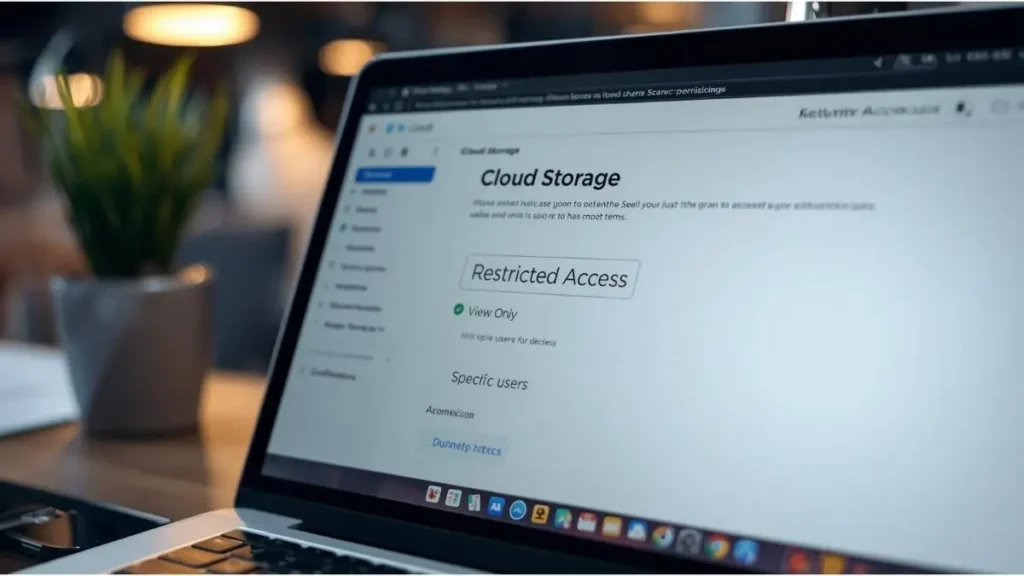
Sharing files through cloud services is convenient. Yet misconfigured permissions can allow unintended access. A public link that should have been restricted can expose sensitive client information.
Version Control Issues
Older versions of documents may contain outdated personal data. Without proper review, freelancers may accidentally share more information than necessary.
Data Minimization: A Core GDPR Principle
One of the most practical GDPR concepts for freelancers is data minimization.
This principle means you should only collect and share data that is strictly necessary for the task at hand.
For example:
- If you are sending an invoice, include only required billing details.
- Avoid attaching full client profiles when only a name is needed.
- Remove unnecessary internal notes before sharing documents externally.
By reducing the amount of data inside a document, you automatically reduce exposure risk.
This approach also improves professionalism. Clients appreciate streamlined documents that focus on relevant information.
Technical Safeguards for Safer Document Sharing
Beyond awareness, freelancers can implement practical technical safeguards.
Use Encrypted Cloud Platforms
Choose reputable cloud storage providers that offer encryption in transit and at rest. Ensure file access permissions are restricted to specific recipients.
Enable Password Protection When Necessary
For highly sensitive files, password-protect documents before sharing them. Send the password through a separate communication channel.
Review File Metadata
Documents often contain hidden metadata, such as author names or editing history. Before sharing, inspect and remove unnecessary metadata.
For more technical guidance on metadata management, see our guide on Microsoft Word Metadata Security Risks.
Additionally, reviewing our Digital Hygiene Checklist can help you build safer long-term habits.
The Role of Contracts and Data Processing Clarity
Freelancers often overlook how contracts relate to document sharing.
While this article does not provide legal advice, it is useful to understand that:
- Clients may define how data should be handled.
- You may act as a data processor on behalf of a client.
- Clear communication reduces misunderstandings about responsibilities.
Even a simple clause outlining how documents are stored and shared can improve transparency.
Transparency is a key GDPR principle. Clients should understand how their information is handled within your workflow.
Managing Client Data Across Devices
Freelancers rarely work from a single device. Laptops, tablets, and smartphones are often used interchangeably.
Each device introduces potential exposure points:
- Public WiFi connections
- Lost or stolen devices
- Unsynced local files
To reduce risk:
- Use strong device passwords
- Enable two-factor authentication
- Avoid downloading sensitive files on unsecured networks
If you frequently access documents via mobile, you may benefit from reading our Smartphone Document Privacy Guide for additional best practices.
Maintaining consistent security standards across devices strengthens overall compliance awareness.
Retention Policies and File Organization
Another often overlooked area is document retention.
How long do you keep client documents? Are outdated files still stored in cloud folders?
Even without deep legal analysis, it is wise to:
- Periodically review stored documents
- Delete files no longer necessary
- Archive completed projects securely
Cluttered storage environments increase the chance of accidental sharing.
Organized systems reduce mistakes and improve operational efficiency.
Practical Workflow for GDPR-Aware Document Sharing
To make this more actionable, here is a simplified workflow freelancers can adopt:
- Draft the document.
- Remove unnecessary personal data.
- Review metadata and file properties.
- Confirm correct recipient email or access permissions.
- Use secure transfer methods when needed.
- Store final versions in structured folders.
This structured approach transforms GDPR awareness into daily habit.
You do not need complex tools. Consistency is more important than sophistication.
Common Misconceptions Freelancers Should Avoid
There are several misunderstandings about GDPR and document sharing.
“I Am Not in Europe, So It Does Not Apply”
If you work with EU clients, GDPR principles may still be relevant.
“Small Freelancers Are Not Targeted”
Regulations focus on data protection standards, not company size alone.
“Using Cloud Storage Automatically Makes Me Compliant”
Technology helps, but responsible configuration and usage are essential.
Understanding these nuances prevents overconfidence and encourages practical caution.
Building Trust Through Responsible Document Practices
Clients increasingly value data responsibility.
When you demonstrate awareness by:
- Using secure sharing methods
- Limiting unnecessary data
- Communicating clearly about file handling
You build professional credibility.
Trust is not only about delivering quality work. It is also about protecting the information entrusted to you.
Responsible document sharing can become a competitive advantage.
Conclusion
Document sharing and GDPR awareness are closely connected in today’s freelance environment. You do not need to become a legal specialist to improve your practices. However, understanding key principles such as data minimization, secure transfer, controlled access, and organized storage can significantly reduce exposure risks.
Freelancers operate in flexible and dynamic environments. That flexibility should be supported by structured data habits. Small adjustments in how you create, review, and share documents can make a meaningful difference.
Before sending your next file, ask yourself: does this document contain only the necessary information, and is it being shared through a secure method?
Developing consistent habits around document privacy not only aligns with GDPR principles but also strengthens your professional reputation.
How do you currently manage document sharing in your freelance workflow?

Igor Greco is the founder of GrecO Metadados and has spent the last several years researching how hidden file data — metadata — exposes personal information that most people never intended to share.
His interest in metadata privacy started with a frustrating realization: a photo he shared online still carried the exact GPS coordinates of where it was taken. That moment led him to dig deeper into EXIF data, document properties, and how everyday apps handle the information attached to your files — often without telling you.
Since then, Igor has tested dozens of metadata removal tools across Android, iPhone, Windows, and Mac, and written guides focused on three groups he cares most about: parents sharing photos of their kids, freelancers sending documents to clients, and everyday users who simply want more control over their digital footprint.
Privacy, in his view, isn’t about hiding. It’s about deciding — on your own terms — what information travels with your files.